
Strategic Plan Implementation for Nonprofits: How to Turn Strategy into Action
Your Strategic Plan Isn’t the Finish Line. It’s the Starting Gun
I've sat in a lot of rooms where a strategic plan gets delivered and everyone exhales. The meeting wraps up, the board votes to adopt, the document gets formatted and shared. There's a real sense of accomplishment, and there should be. Good planning takes months of hard work.
But that feeling of "done" is exactly where things start to fall apart.
The plan is rarely the problem.
After years of working in and around strategic planning for nonprofits, I've come to a conclusion that sounds almost too simple. The organizations that actually move the needle aren't the ones with the best plans. They're the ones that keep talking about them.
I don't mean casually. I mean structured, recurring, honest conversations about what's working, what's stalled, and what needs to change. Monthly staff meetings where the plan is on the agenda. Board meetings where everyone can see whether resources are aligned with priorities. The kind of disciplined check-ins that feel redundant until you skip one, and then two, and then suddenly it's October and nobody can remember why the plan is off-track.
Research supports this. A survey of over 1,200 U.S. nonprofits by Evans, Reid, and McNerney found that the single most useful implementation practice for Nonprofit Strategic Planning was discussing plan progress during periodic executive and board meetings.
What good implementation conversations actually look like.
So if the magic is in the meetings, what makes those meetings work?
Start with the data, not the feelings. You need something concrete to react to. Progress on specific goals, metrics that moved (or didn't), timelines that slipped. Without data, strategy meetings become opinion sessions, and the loudest voice wins.
Make it safe to say "this isn't working." The hardest part of implementation isn't doing the work. It's admitting when something you championed six months ago needs to be abandoned or reworked. Leadership has to model that honesty, or nobody else will.
Talk about resources, not just results. A goal that's behind schedule isn't always a performance problem. Sometimes it's a resource problem. The board approved a new program, but nobody budgeted for the staff time to launch it. These conversations need to happen early, not after the goal has already failed.
Keep it regular and keep it short. Often a focused 30-minute monthly check-in is more effective than a draining half-day retreat once a year. Frequency builds the habit. And the habit is really the whole point.
The habit is harder than the plan.
This is something I've seen firsthand while building StratSimple, a platform that helps nonprofits implement their strategic plans. We built the tool because we kept watching the same pattern play out. A leadership team finishes a strong plan, genuinely intends to follow through, and then real life takes over. A grant deadline, a staffing crisis, a board member's urgent email. Day-to-day operations crowd out the very conversations that are supposed to keep the organization moving forward.
What we've learned is that those conversations are incredibly difficult to sustain without something pulling people back to the plan. You need a system that puts the right data in front of the right people at the right time, so the meeting can focus on decisions instead of scrambling to figure out where things stand. The discipline of regular check-ins doesn't just happen because people care. It happens because there's a structure making it easy to show up prepared.
Make the rhythm non-negotiable.
The best thing a nonprofit can do after finishing a strategic plan is commit to a rhythm before the plan is even adopted. Put the quarterly reviews on the calendar. Set the monthly staff agenda. Decide now who's responsible for pulling the data together before each meeting.
Because the real work of strategy doesn't live in the document. It lives in the moment a team member says, "We lost our funding for Goal #3, and here's what I think we should do instead." It lives in the board conversation, where someone notices a new funding opportunity that suddenly makes an old priority possible. It lives in the monthly meeting where a team admits that the community's needs have shifted, and the plan should shift with them.
None of that happens without a regular place for it to happen. Build the rhythm. Protect the time. That's where your plan comes to life.
About The Author
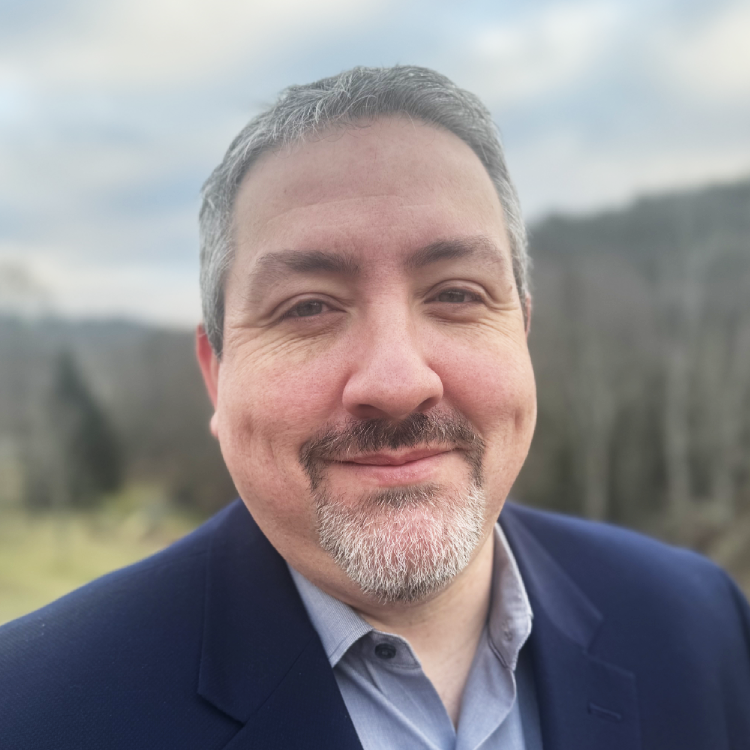
Mike Burns is the Co-Founder and CEO of StratSimple, a proud partner of Beam Consulting. StratSimple helps nonprofits turn strategic plans into action through community listening and implementation tools.